Packing Services in London, Ontario: When to DIY and When to Hire Pros
DECIDING WHO PACKS WHAT
Pack items you use occasionally yourself. Let professional movers handle fragile goods, heavy items, and anything requiring specialty care. Most moving company London Ontario professionals can pack your household in 1-3 days, while DIY packing typically takes 2-4 weeks.
Budget and timeline matter most. Hiring packers for 40% of your belongings while you handle the rest gives excellent value in London, Ontario.
FULL-SERVICE PACKING VS PARTIAL PACKING
Full-service packing means movers handle everything. They box items, wrap furniture, and protect electronics. This costs more but saves weeks of your time.
Partial packing means you pack everyday items, clothes, books, and kitchen basics while movers tackle the hard stuff. Many people in London, Ontario find this hybrid approach splits the work fairly.
KITCHEN: PACK IT YOURSELF OR HIRE HELP?
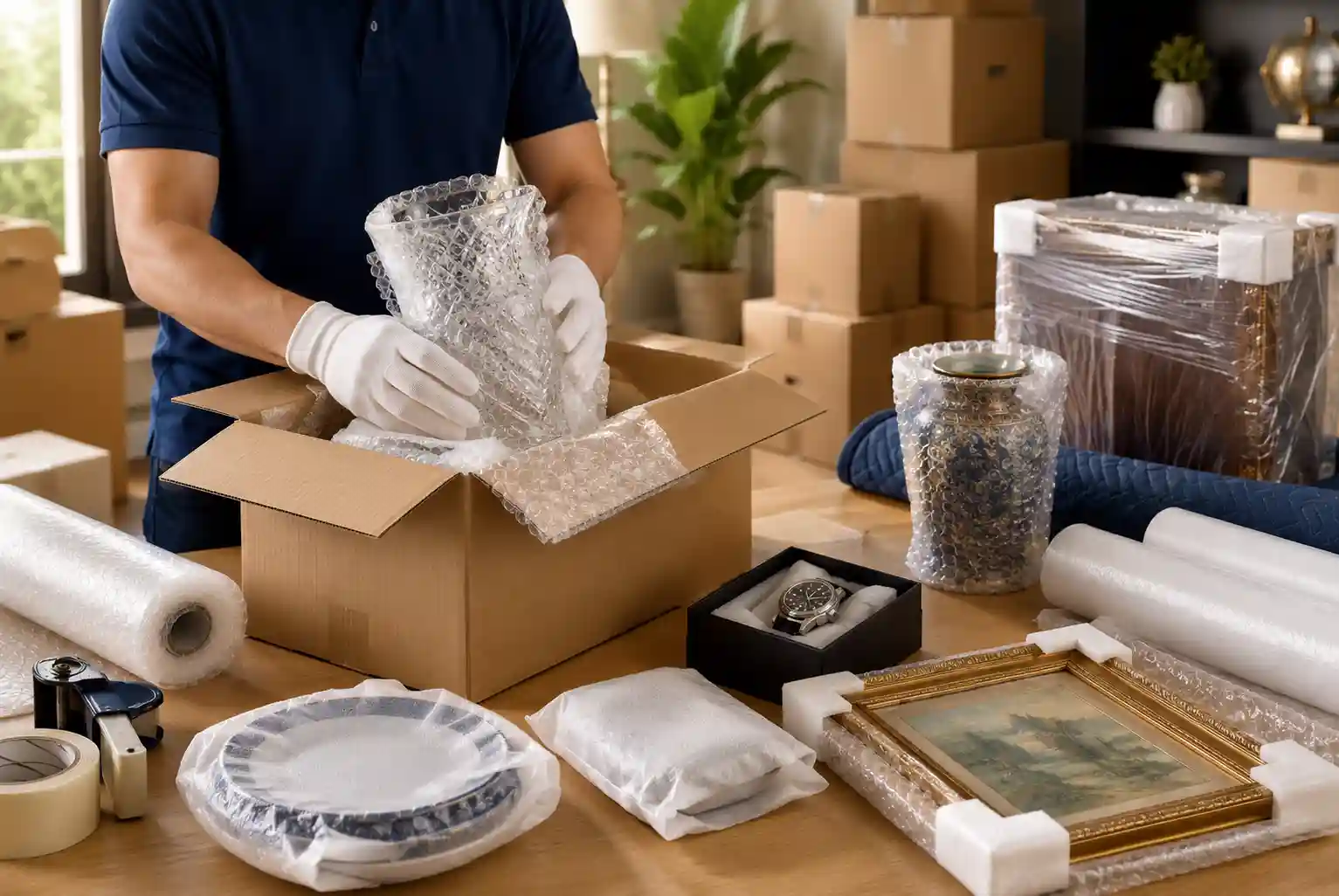
Most kitchen items aren’t fragile. Cereal boxes, canned goods, cookbooks, and utensils are easy to pack yourself. Wrap dishes individually in newspaper or packing paper, stack them vertically, and fill empty spaces with linens.
Save your movers for appliances, stemware, and fine china. Keep kitchen boxes under 40 pounds.
BEDROOMS: MOSTLY DIY TERRITORY
Bedrooms are the easiest room to pack yourself. Clothing, bedding, pillows, and linens go straight into boxes. Use garbage bags for linens to save space.
Drawers can be left as-is and transported by professional movers in London, Ontario without unpacking. Let movers handle the bed frame and heavy furniture. Pack jewelry and expensive items yourself and transport them in your personal vehicle.
CLOSETS: SEPARATE ESSENTIALS FROM STORAGE
Walk-in closets are 100% DIY territory. Hang clothing stays on the hanger, shoes go in boxes, and seasonal coats fold into bags. Sort and donate items you won’t take. This cuts your moving cost.
LIVING ROOM AND FURNITURE
Living room furniture should go to professional movers. Couches, sectionals, recliners, and entertainment centers need proper wrapping and support. You pack decorative pillows. The movers wrap and transport heavy pieces.
Boxes of books, DVDs, framed art, and collectibles are fine for you to pack. Just don’t exceed 50 pounds per box.
GARAGE AND BASEMENT: KNOW WHAT YOU CAN’T MOVE
Tools, hand equipment, and organized gear can be packed by you. Use sturdy boxes and clearly label them.
Movers will refuse to transport certain items for legal and safety reasons. Propane tanks, paint cans, aerosol cans, ammunition, batteries, and flammable liquids cannot go on the moving truck. These must be disposed of or transported in your personal vehicle following local London, Ontario regulations.
Basement storage usually includes holiday items and keepsakes. If these items aren’t fragile, pack them yourself.
BOX SIZES AND WEIGHT LIMITS
Small boxes (1.5 cubic feet) hold 30-40 pounds for books and dense items.
Medium boxes (3 cubic feet) hold 50 pounds for kitchenware and clothing.
Large boxes (4.5 cubic feet) should not exceed 60 pounds. These suit bedding and light items. A box that feels too heavy strains movers’ backs.
Use a bathroom scale to weigh boxes as you pack. One overweight box creates risk for your movers and your belongings.
LABELING YOUR BOXES
Label every box with its destination room and contents. Use a thick marker so labels are readable. “Bedroom 1 – Clothing” or “Kitchen – Dishes” works well and saves hours during unpacking.
Color-coding boxes by room helps visually. Assign blue to bedrooms, yellow to kitchen, green to living room. This works especially well if you’re hiring apartment movers London, Ontario who need to quickly identify where boxes belong when working within elevators, hallways, and shared building spaces.
PACKING FRAGILE ITEMS
 Dishes pack best when stood upright in boxes, like records in a crate. Place heavier items on the bottom and lighter plates on top. Wrap each dish individually with packing paper.
Stemware goes upside down in boxes with crumpled paper filling the bowls. Electronics need their original boxes if available. Otherwise, use sturdy boxes with at least 2 inches of cushioning on all sides.
WHAT MOVERS ABSOLUTELY WILL NOT TRANSPORT
Professional movers in London, Ontario cannot legally transport hazardous materials. This includes propane and barbecue tanks, paint cans, pesticides, cleaning products with flammable warnings, aerosol cans, ammunition, and fireworks.
Food items cannot go on the truck. Perishables spoil and pantry items attract pests. Medications and irreplaceable documents should travel with you in your personal vehicle, not in the truck.
YOUR FIRST-NIGHT ESSENTIALS BOX
Pack a separate box for your first night. Include bedding, toiletries, phone chargers, medications, a change of clothes, basic kitchen items, and important documents.
Keep this box with you during the move, not in the truck. Unpack it first while movers handle heavy furniture. You’ll have clean sheets and essentials within reach instead of hunting through boxes.
UNPACKING AND DEBRIS REMOVAL
Most moving companies can haul boxes away for a fee, or break them down for recycling in London, Ontario. Ask about removal options when you book.
Unpack room by room, starting with bedrooms and bathrooms so you have sleeping and washing facilities available. Once your bed is set up, the rest feels less overwhelming.
READY TO MOVE IN LONDON, ONTARIO?
Professional movers in London, Ontario like Brawny Movers can handle packing, loading, and transport so you manage unpacking on your terms. Whether you pack everything yourself or use full-service packing, we’ll get your belongings safely to your new address.
Contact Brawny Movers today for a free quote. Call 1-800-974-8641 or visit BrawnyMovers.com to learn more about moving services in London, Ontario and the surrounding region. Our team serves 185 Ashland Avenue, London, ON, N5W 4E1 and specializes in residential moves of all sizes.
ADDRESS
Brawny Movers
185 Ashland Avenue, London, ON, N5W 4E1
Phone: 1-800-974-8641
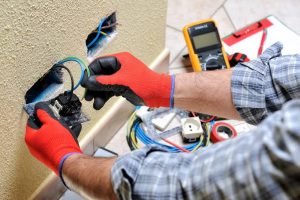 Outlets and switches should feel cool to the touch. If you feel warmth or heat, something is wrong. A warm outlet usually means loose connections, overloaded circuits, or undersized wiring handling too much current. Heat builds up at the point of resistance, and that’s where fires start. The problem might be invisible, but it’s developing right now behind that plastic cover. A licensed electrician can diagnose whether you have a bad outlet, loose connection, or deeper wiring issue that needs fixing.
 Fractional ownership sounds like guaranteed access, but peak-day premiums are real. During Thanksgiving, Christmas, and summer weeks, fractional owners face surcharges of $500 to $1,500 per flight hour—essentially doubling your cost. Availability isn’t truly guaranteed.