Packing Services in London, Ontario: When to DIY and When to Hire Pros

DECIDING WHO PACKS WHAT

Pack items you use occasionally yourself. Let professional movers handle fragile goods, heavy items, and anything requiring specialty care. Most moving company London Ontario professionals can pack your household in 1-3 days, while DIY packing typically takes 2-4 weeks.

Budget and timeline matter most. Hiring packers for 40% of your belongings while you handle the rest gives excellent value in London, Ontario.

FULL-SERVICE PACKING VS PARTIAL PACKING

Full-service packing means movers handle everything. They box items, wrap furniture, and protect electronics. This costs more but saves weeks of your time.

Partial packing means you pack everyday items, clothes, books, and kitchen basics while movers tackle the hard stuff. Many people in London, Ontario find this hybrid approach splits the work fairly.

KITCHEN: PACK IT YOURSELF OR HIRE HELP?

Most kitchen items aren’t fragile. Cereal boxes, canned goods, cookbooks, and utensils are easy to pack yourself. Wrap dishes individually in newspaper or packing paper, stack them vertically, and fill empty spaces with linens.

Save your movers for appliances, stemware, and fine china. Keep kitchen boxes under 40 pounds.

BEDROOMS: MOSTLY DIY TERRITORY

Bedrooms are the easiest room to pack yourself. Clothing, bedding, pillows, and linens go straight into boxes. Use garbage bags for linens to save space.

Drawers can be left as-is and transported by professional movers in London, Ontario without unpacking. Let movers handle the bed frame and heavy furniture. Pack jewelry and expensive items yourself and transport them in your personal vehicle.

CLOSETS: SEPARATE ESSENTIALS FROM STORAGE

Walk-in closets are 100% DIY territory. Hang clothing stays on the hanger, shoes go in boxes, and seasonal coats fold into bags. Sort and donate items you won’t take. This cuts your moving cost.

LIVING ROOM AND FURNITURE

Living room furniture should go to professional movers. Couches, sectionals, recliners, and entertainment centers need proper wrapping and support. You pack decorative pillows. The movers wrap and transport heavy pieces.

Boxes of books, DVDs, framed art, and collectibles are fine for you to pack. Just don’t exceed 50 pounds per box.

GARAGE AND BASEMENT: KNOW WHAT YOU CAN’T MOVE

Tools, hand equipment, and organized gear can be packed by you. Use sturdy boxes and clearly label them.

Movers will refuse to transport certain items for legal and safety reasons. Propane tanks, paint cans, aerosol cans, ammunition, batteries, and flammable liquids cannot go on the moving truck. These must be disposed of or transported in your personal vehicle following local London, Ontario regulations.

Basement storage usually includes holiday items and keepsakes. If these items aren’t fragile, pack them yourself.

BOX SIZES AND WEIGHT LIMITS

Small boxes (1.5 cubic feet) hold 30-40 pounds for books and dense items.

Medium boxes (3 cubic feet) hold 50 pounds for kitchenware and clothing.

Large boxes (4.5 cubic feet) should not exceed 60 pounds. These suit bedding and light items. A box that feels too heavy strains movers’ backs.

Use a bathroom scale to weigh boxes as you pack. One overweight box creates risk for your movers and your belongings.

LABELING YOUR BOXES

Label every box with its destination room and contents. Use a thick marker so labels are readable. “Bedroom 1 – Clothing” or “Kitchen – Dishes” works well and saves hours during unpacking.

Color-coding boxes by room helps visually. Assign blue to bedrooms, yellow to kitchen, green to living room. This works especially well if you’re hiring apartment movers London, Ontario who need to quickly identify where boxes belong when working within elevators, hallways, and shared building spaces.

PACKING FRAGILE ITEMS

Dishes pack best when stood upright in boxes, like records in a crate. Place heavier items on the bottom and lighter plates on top. Wrap each dish individually with packing paper.

Stemware goes upside down in boxes with crumpled paper filling the bowls. Electronics need their original boxes if available. Otherwise, use sturdy boxes with at least 2 inches of cushioning on all sides.

WHAT MOVERS ABSOLUTELY WILL NOT TRANSPORT

Professional movers in London, Ontario cannot legally transport hazardous materials. This includes propane and barbecue tanks, paint cans, pesticides, cleaning products with flammable warnings, aerosol cans, ammunition, and fireworks.

Food items cannot go on the truck. Perishables spoil and pantry items attract pests. Medications and irreplaceable documents should travel with you in your personal vehicle, not in the truck.

YOUR FIRST-NIGHT ESSENTIALS BOX

Pack a separate box for your first night. Include bedding, toiletries, phone chargers, medications, a change of clothes, basic kitchen items, and important documents.

Keep this box with you during the move, not in the truck. Unpack it first while movers handle heavy furniture. You’ll have clean sheets and essentials within reach instead of hunting through boxes.

UNPACKING AND DEBRIS REMOVAL

Most moving companies can haul boxes away for a fee, or break them down for recycling in London, Ontario. Ask about removal options when you book.

Unpack room by room, starting with bedrooms and bathrooms so you have sleeping and washing facilities available. Once your bed is set up, the rest feels less overwhelming.

READY TO MOVE IN LONDON, ONTARIO?

Professional movers in London, Ontario like Brawny Movers can handle packing, loading, and transport so you manage unpacking on your terms. Whether you pack everything yourself or use full-service packing, we’ll get your belongings safely to your new address.

Contact Brawny Movers today for a free quote. Call 1-800-974-8641 or visit BrawnyMovers.com to learn more about moving services in London, Ontario and the surrounding region. Our team serves 185 Ashland Avenue, London, ON, N5W 4E1 and specializes in residential moves of all sizes.

ADDRESS

Brawny Movers
185 Ashland Avenue, London, ON, N5W 4E1
Phone: 1-800-974-8641
Business
Warning Signs You Need a Licensed Electrician Right Away

Your home’s electrical system is like the nervous system of your house. When something goes wrong, you need to notice it fast. Ignoring electrical warning signs puts your family at risk of fire, electrocution, and costly damage. In New Orleans, where humidity and age often affect older wiring, catching electrical problems early can save your life and wallet. This article walks you through the most serious warning signs that mean you need a licensed electrician right now, not someday.

KEY TAKEAWAYS

– Burning smells, warm outlets, and buzzing sounds are emergency signals requiring immediate professional attention
– Frequent breaker trips, flickering lights, and dead outlets indicate dangerous overloads or wiring faults
– DIY electrical work risks fire, electrocution, code violations, and insurance denial
– Licensed electricians have proper training, tools, and liability insurance for safe repairs


BURNING SMELLS COMING FROM OUTLETS OR WALLS

If you smell burning plastic or rubber near an outlet or light switch, stop using that circuit immediately and call a licensed Electrician. This smell indicates overheated wiring, damaged insulation, or internal component failure. Electrical fires often start this way, smoldering inside walls for hours before flames appear. The damage is happening behind your drywall where you can’t see it. New Orleans homeowners should never ignore this sign because older homes here often have aging wiring that’s more prone to failure.

WARM OR HOT OUTLETS AND SWITCHES

Outlets and switches should feel cool to the touch. If you feel warmth or heat, something is wrong. A warm outlet usually means loose connections, overloaded circuits, or undersized wiring handling too much current. Heat builds up at the point of resistance, and that’s where fires start. The problem might be invisible, but it’s developing right now behind that plastic cover. A licensed electrician can diagnose whether you have a bad outlet, loose connection, or deeper wiring issue that needs fixing.

FREQUENT CIRCUIT BREAKER TRIPS

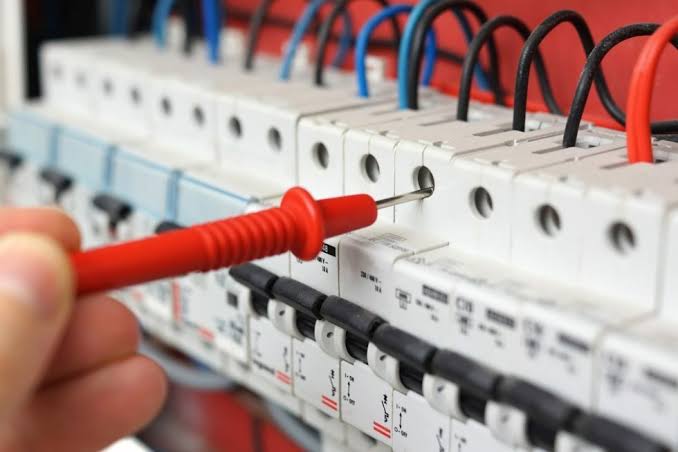
Your circuit breaker trips to protect you. When it happens once in a while, that’s normal. But if you’re resetting breakers weekly or daily, something is drawing too much power or there’s a fault in the system. You might be overloading that circuit with too many devices, or you could have a short circuit or ground fault. Resetting a breaker and pretending the problem doesn’t exist is dangerous. You’re basically disabling your home’s safety switch. A licensed electrician can check your panel, measure your loads, and determine if you need more circuits or if there’s a serious fault.

BUZZING OR HUMMING SOUNDS FROM OUTLETS

Electrical buzzing is never normal. It usually means loose connections, failing components, or something arcing inside the outlet or switch. Arcing is electrical current jumping through the air, and it generates extreme heat. This is how electrical fires happen. The sound you hear is your warning bell before something catastrophic occurs. Don’t assume it will fix itself. A licensed electrician needs to inspect and repair the problem before it escalates.

FLICKERING OR DIMMING LIGHTS

Occasional flicker is one thing. Constant flickering or dimming lights suggest loose connections, overloaded circuits, or failing bulbs. If lights dim when you turn on appliances, you might have a voltage drop in that circuit. If flickering is isolated to one room or fixture, it could be loose wiring at that specific location. Either way, flickering lights mean your electrical system is working harder than it should. A licensed electrician can trace the problem and restore safe operation.

DISCOLORED, CHARRED, OR MELTED OUTLETS

Visible damage to outlets or switches is an emergency. Charring, blackening, melting, or discoloration means extreme heat has already affected that location. This indicates arcing, short circuits, or internal component failure. Don’t touch it, don’t try to clean it, and don’t use it. Call a licensed electrician immediately. This visible damage is your wake-up call that something serious happened, and similar damage might be occurring elsewhere on that circuit.

MILD SHOCKS FROM OUTLETS OR SWITCHES

If you feel a tingle when touching an outlet, switch, or appliance, you have a grounding problem or a fault. Your body is becoming the path for electricity to find ground. This should never happen. Even a mild shock indicates something is wrong with your electrical system’s safety mechanisms. A licensed electrician can test for ground faults, check grounding connections, and identify whether you have a bad appliance or a wiring issue.

DEAD OUTLETS THAT WON’T ACCEPT PLUGS

When outlets stop working, you lose convenience. But the reason matters. It could be a tripped GFCI outlet, a failed outlet itself, or a problem upstream on that circuit. Some dead outlets mean your home’s electrical system is telling you something is wrong. Never ignore multiple dead outlets in one area. A licensed electrician can determine if you have overloaded circuits, damaged wiring, or a failing panel component.

WHY DIY ELECTRICAL WORK IS DANGEROUS

Electricity kills without warning. Unlike other home repairs where mistakes are visible and reversible, electrical mistakes can burn your house down or electrocute someone tomorrow. Licensed electricians go through years of training to understand codes, safety practices, and proper installation techniques. They carry liability insurance and follow building codes that protect you. DIY electrical work violates most insurance policies and local building codes. If someone gets hurt or your house burns, your insurance claim gets denied because you did unpermitted work. You’ll also face legal liability.

WHAT TO DO NEXT

If you’ve noticed any of these warning signs in your New Orleans home, don’t wait. Electrical problems get worse, not better. They pose immediate risks to your family and your property. Contact a licensed electrician to inspect your system and make necessary repairs safely.

MK Electric Man is a licensed electrician serving New Orleans with the expertise to diagnose and fix electrical problems properly. Whether you’re dealing with burning smells, warm outlets, tripping breakers, or any other warning signs, we’re ready to help. Visit www.neworleanselectricians.com today to schedule a professional inspection. Your family’s safety is worth it.

Business
Jet Card vs Fractional Ownership: Which Saves More for the 50-Hour Flyer?

For the 50-hour annual flyer, jet cards win on cost and flexibility. Fractional ownership demands a capital commitment of $500K to $2M upfront, locks you into a 5-year contract, and charges peak-day surcharges that can add 50% to your bill. Jet cards offer guaranteed aircraft access, no hidden fees, and month-to-month flexibility making them the smarter choice for executives who want certainty without ownership’s long-term burden.

What’s the Real Cost Difference?

A 50-hour annual flyer using a jet card typically spends $4,000 to $6,000 per flight hour, totaling $200K to $300K yearly. Fractional ownership appears cheaper on paper (roughly $3,000 to $4,500 per hour), but you’re also paying annual management fees ($8K to $15K), fuel surcharges, and peak-day premiums. The real cost of fractional ownership for 50 hours often reaches $250K to $350K annually once hidden fees surface. Jet cards eliminate this surprise your hourly rate is locked in.

Why Fractional Ownership Locks You In

Fractional ownership requires a minimum 5-year commitment with providers like NetJets and Wheels Up. You own a fractional share of a specific aircraft, so you can’t easily switch types if travel patterns change. If your business shifts from frequent coast-to-coast flights to regional trips, you’re stuck paying for unused hours. Exit fees can run 10% to 15% of your remaining lease value.

Jet card membership gives you monthly flexibility. If you only fly 30 hours next year instead of 50, you simply adjust your purchase. No penalties, no lock-in.

Aircraft Availability and Peak-Day Surprises

Fractional ownership sounds like guaranteed access, but peak-day premiums are real. During Thanksgiving, Christmas, and summer weeks, fractional owners face surcharges of $500 to $1,500 per flight hour—essentially doubling your cost. Availability isn’t truly guaranteed.

Jet card programs prioritize member access with no peak-day surcharges. Your hourly rate stays the same whether you’re flying Tuesday or the day before Thanksgiving. That certainty matters when planning time-sensitive business trips.

Capital Efficiency for the 50-Hour Flyer

The $500K to $2M tied up in fractional ownership could be deployed elsewhere. For high-net-worth individuals managing multiple business interests or investment portfolios, that’s significant opportunity cost. Even if fractional ownership appears 15% cheaper per hour, you’ve forgone five years of potential returns on $1M in capital.

Jet cards require no capital commitment beyond membership fees and hourly purchases. This works especially well for executives in crypto, real estate, or venture capital who need flexibility without capital lock-up. Many travelers researching flexible charter solutions often compare providers such as https://flybitlux.com when evaluating modern private aviation alternatives.

Maintenance, Insurance, and Hidden Costs

Fractional owners share maintenance and insurance costs, but those bills aren’t always predictable. Engine overhauls, inspections, and unexpected repairs get passed to all owners, sometimes creating surprise annual bills.

Jet card operators handle all maintenance, insurance, fuel, crew, and regulations. Your invoice shows your hourly cost, period. No surprise bills.

The Switching Advantage

A 50-hour flyer using a jet card can upgrade from a light jet to a midsize cabin mid-year without penalties. Simply book a larger aircraft for longer routes. No restructuring, no renegotiation.

Fractional owners switching aircraft types must sell their share in one aircraft and buy into another. That process takes weeks or months and may involve transaction costs.

Who Fractional Ownership Still Makes Sense For

If you’re flying 200+ hours annually and maintaining that schedule for at least five years, fractional ownership can offer slight per-hour savings. Large family offices with consistent travel demands may benefit. But for executives flying 25 to 100 hours yearly, it’s overkill.

The 50-Hour Sweet Spot

The 50-hour annual flyer sits in the ideal zone for jet card membership. You’re serious enough to need consistent access and reliability, but not frequent enough to justify fractional ownership’s capital lock-up. You value predictability, flexibility, and simplicity.

Jet cards eliminate the guesswork. You pay for what you use, rates are transparent, and you maintain flexibility to adjust or upgrade as your business evolves.

The question isn’t whether jet cards are always cheaper—it’s whether you want certainty, flexibility, and capital efficiency bundled together. For most 50-hour flyers, that’s the clear answer.

Business